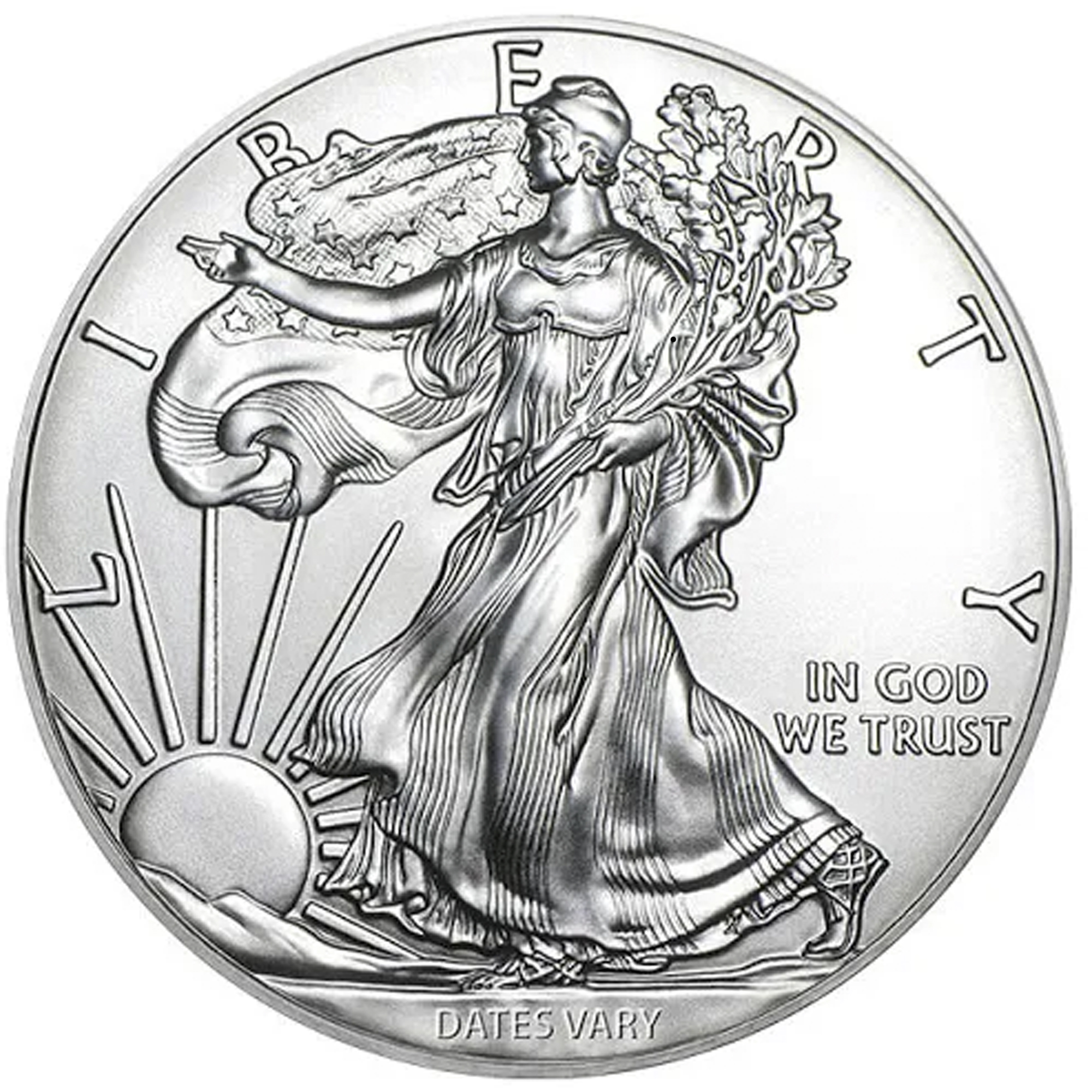
Gold IRA in-kind distributions let retirement savers take physical coins or bars from an IRA without first selling the metals for cash. That can be appealing when you want direct ownership, need to satisfy a required minimum distribution (RMD), or prefer not to liquidate during an unfavorable market. However, “taking metal” is still an IRA distribution for tax purposes. The custodian must document the transaction, the metals must be valued correctly, and the distribution must follow the account’s governing rules.
This guide explains how an in-kind distribution gold IRA transaction works, when you can use physical metal for an RMD, how depository shipping typically happens, which gold coin distribution rules matter, and what taxes may apply. It also distinguishes a legitimate distribution from an improper attempt to take possession of IRA metals before the distribution is processed.
How Gold IRA In-Kind Distributions Work
A gold IRA in-kind distribution occurs when the IRA custodian releases specific coins or bars to you instead of selling them and sending you cash. The metals leave the IRA’s custody and become your personal property. You may receive them at your home, through an insured carrier, or by another delivery method approved by the custodian and depository.
The transaction is not tax-free merely because no sale occurred. For tax purposes, the distributed metal is generally valued at its fair market value on the distribution date. That value is used to determine the taxable amount from a traditional IRA. The Internal Revenue Service’s Publication 590-B, Distributions from Individual Retirement Arrangements, confirms that an IRA can make payments of property and warns that taking possession of qualifying coins causes them to be treated as distributed. ([irs.gov](https://www.irs.gov/publications/p590b?utm_source=openai))
Distribution versus sale
With a cash distribution, the custodian sells some or all of the holdings and sends you money. With an in-kind distribution, the custodian transfers the actual metal. The tax event is the distribution itself, not necessarily a sale.
For example, suppose your custodian distributes gold coins valued at $18,000. Your IRA has made an $18,000 distribution even if you keep the coins for decades and never sell them. If you later sell those personally owned coins, the subsequent gain or loss is a separate personal tax matter. Keep the original distribution statement and valuation records so you can establish your basis.
Why direct possession before distribution is risky
IRA-owned metals generally must remain in the physical possession of the IRA trustee or an approved non-bank custodian while they are inside the account. The IRS identifies qualifying bullion and certain coins as exceptions to the collectible rules only when the applicable custody requirements are satisfied. If the owner takes the coins personally while they are still supposed to belong to the IRA, the metals may be treated as distributed prematurely. ([irs.gov](https://www.irs.gov/retirement-plans/investments-in-collectibles-in-individually-directed-qualified-plan-accounts?utm_source=openai))
Therefore, “home storage” is not the same thing as a properly documented in-kind distribution. The safer sequence is to submit a distribution request, obtain the custodian’s valuation and approval, and allow the depository to release the specific assets only after the distribution has been authorized.
Using Physical Metal for an RMD
A traditional IRA owner generally must begin taking RMDs for the year they reach age 73. The first RMD may generally be delayed until April 1 of the following year, but doing so means two RMDs may be due in that following calendar year. Later RMDs are generally due by December 31. The IRS says the calculation is generally based on the prior December 31 account balance divided by an applicable life-expectancy factor from its tables. ([irs.gov](https://www.irs.gov/retirement-plans/retirement-plan-and-ira-required-minimum-distributions-faqs?utm_source=openai))
An RMD physical metal distribution can satisfy the requirement when the distributed coins or bars have enough documented value to cover the required amount. You do not necessarily have to sell the metal first. Instead, the custodian can transfer an appropriate quantity of bullion or coins to you and report the value as a distribution.
How the RMD amount is matched to metal
Assume your RMD is $12,500 and the custodian values the selected coins at $12,500 on the distribution date. The transfer may satisfy the RMD, subject to the custodian’s procedures and proper reporting. If the selected coins are valued at $11,800, you may still have an $ 700 shortfall. If they are worth $13,400, the excess generally becomes an additional taxable distribution rather than disappearing from the calculation.
Because precious-metals prices change throughout the day, ask how the custodian determines the distribution-date value. A reliable process should identify:
- the specific coins or bars being distributed;
- the valuation time and pricing source;
- any applicable dealer spread, liquidation value, or administrative charge;
- the amount credited toward the RMD; and
- the date the distribution is considered made.
Do not wait until the final business day of the year. A depository may need time to verify inventory, prepare paperwork, package the metals, and arrange insured shipping. A late request can create a tax problem even when you submitted the request before December 31.
RMDs from multiple IRAs
The IRS generally requires the RMD to be calculated separately for each traditional IRA. However, an owner can usually take the total RMD from one or more traditional, SEP, or SIMPLE IRAs. This flexibility may allow you to take a physical-metal distribution from one account while using cash from another, but confirm the approach with your tax professional and custodian. ([irs.gov](https://www.irs.gov/retirement-plans/retirement-plan-and-ira-required-minimum-distributions-faqs?utm_source=openai))
Roth IRA owners do not have lifetime RMDs while they are alive, although beneficiary RMD rules can apply after the owner’s death. That distinction can make a traditional gold IRA more administratively demanding than a Roth account.
Taxes, Valuation, and Reporting
For a traditional gold IRA, the taxable portion of a distribution is generally included in ordinary income. That applies whether the IRA sends cash, coins, bars, or another permitted asset. If you are under age 59½, the taxable portion may also be subject to the 10% additional tax unless an exception applies. The IRS describes early distributions as including money or other property from a traditional IRA. ([irs.gov](https://www.irs.gov/publications/p590b?utm_source=openai))
A traditional IRA distribution is not normally taxed at the lower long-term capital-gains rate simply because the underlying asset is gold. The retirement-account distribution is generally ordinary income. Later gains or losses after you personally own the metal are a separate issue and can depend on the asset, holding period, and applicable tax treatment.
Roth IRA treatment
Roth IRA distributions require a different analysis. Qualified Roth distributions are generally not included in income, while nonqualified distributions may involve ordering rules and taxable earnings. IRS Publication 590-B states that the basis of property distributed from a Roth IRA is its fair market value on the distribution date, whether or not the distribution is qualified. ([irs.gov](https://www.irs.gov/pub/irs-pdf/p590b.pdf?mod=article_inline&utm_source=openai))
Do not assume that calling a transaction a “Roth in-kind distribution” makes it automatically tax-free. The owner must meet the applicable Roth qualification rules, including the five-year and age or qualifying-event requirements where relevant.
RMD penalties and missed deadlines
If you fail to take the full RMD by the deadline, the undistributed amount may be subject to a 25% excise tax. The IRS explains that the tax may be reduced to 10% when the failure is corrected within the applicable correction window and the required reporting is completed. A reasonable-error waiver may also be available in appropriate circumstances. ([irs.gov](https://www.irs.gov/retirement-plans/retirement-plan-and-ira-required-minimum-distributions-faqs?utm_source=openai))
That relief should not be treated as a planning strategy. If your distribution is time-sensitive, request it early, obtain written confirmation from the custodian, and verify that the transaction was completed rather than merely initiated.
The Depository Shipping RMD Process
A depository shipping RMD typically involves several parties: you, the IRA custodian, the precious-metals dealer or administrator, and the depository holding the assets. The exact workflow varies, but most transactions follow a similar pattern.
- Calculate the RMD. Confirm the required amount for the specific traditional IRA and year.
- Select the metal. Choose eligible coins or bars whose documented value is sufficient to meet the intended distribution.
- Submit the request. Complete the custodian’s distribution form and identify whether the request is an RMD, a regular distribution, or both.
- Confirm valuation. Review how the custodian will determine the fair market value and whether fees are included separately.
- Authorize release. The custodian instructs the depository to remove the selected assets from the IRA’s holdings.
- Arrange insured delivery. The depository packages and ships the metal according to its security and insurance procedures.
- Review tax documents. Check the year-end Form 1099-R and compare it with the distribution confirmation.
Shipping can involve identity verification, an adult signature, delivery restrictions, and insurance limits. Some custodians require the recipient to use an address that matches their account records. Others may charge handling, shipping, or valuation fees. Ask these questions before selecting the coins:
- When is ownership considered transferred?
- Is the package fully insured until delivery?
- What happens if the shipment is delayed or refused?
- Can the depository ship partial bars, or only whole bars?
- Will the custodian provide serial numbers and an itemized packing list?
Those details matter because an in-kind distribution is an asset transfer, not merely a bookkeeping adjustment. Retain the approval form, valuation statement, shipment tracking, delivery confirmation, and final tax form.
Gold Coin Distribution Rules and Common Mistakes
Not every collectible-looking coin is suitable for an IRA. The IRS states that qualifying exceptions can include certain U.S. gold coins, certain state-issued coins, and gold, silver, platinum, or palladium bullion meeting required fineness standards when held by an approved trustee or custodian. Collectibles that do not meet the exception can be treated as distributed when acquired by the IRA. ([irs.gov](https://www.irs.gov/retirement-plans/investments-in-collectibles-in-individually-directed-qualified-plan-accounts?utm_source=openai))
These gold coin distribution rules affect what can be held before distribution. Once properly distributed, you may generally own and store the metal personally, but you should not confuse personal ownership after distribution with personal storage during the IRA period.
Common mistakes include:
- taking delivery before the custodian approves the distribution;
- assuming a distribution is tax-free because the metal was not sold;
- using a retail quote that does not match the custodian’s valuation method;
- selecting rare or collectible coins without confirming IRA eligibility;
- waiting too long to process a year-end RMD; and
- failing to reconcile the Form 1099-R with the actual metal received.
Also remember that an in-kind distribution is not the same as a trustee-to-trustee rollover. A rollover moves retirement assets between eligible accounts. An in-kind distribution moves the metal out of the IRA and into your personal ownership, generally creating a reportable distribution.
Conclusion: Plan the Distribution Before You Need the Metal
Gold IRA in-kind distributions can provide physical ownership without requiring the custodian to sell your coins or bars first. They may also be useful for satisfying an RMD when you want to preserve exposure to precious metals. However, the process depends on accurate valuation, approved custody, timely paperwork, secure delivery, and correct tax reporting.
Start by asking your custodian whether it permits in-kind transfers, how it values metals, and how much lead time it needs for a depository shipment. Then coordinate the RMD calculation and tax treatment with a qualified tax professional. The essential rule is simple: keep the metal inside approved custody until the distribution is formally authorized, and document every step after it leaves the IRA.