If you own a self-directed gold IRA or are considering one, the rules changed significantly under the SECURE 2.0 Act. The most immediate impact for retirees in 2026 involves Required Minimum Distributions (RMDs)—the mandatory withdrawals the IRS requires from retirement accounts starting at a certain age. For gold IRA holders, these changes create both opportunities and operational challenges that many investors don’t yet understand. This guide walks you through how 2026’s SECURE 2.0 RMD rules affect your precious metals retirement account, what the new contribution limits mean for your strategy, and how to optimize your portfolio for compliance and growth.
Understanding Self-Directed Gold IRA Rules Under SECURE 2.0
Self-directed gold IRAs operate under two foundational sections of the Internal Revenue Code: IRC §408(m) and §408(n). These sections define which precious metals qualify for IRA holding and who can serve as the trustee. The critical rule—and the one most often misunderstood—is the trustee-possession requirement.
IRC §408(m)(3) carves out an exception to the general collectibles prohibition, allowing physical gold, silver, platinum, and palladium bullion inside an IRA only if the bullion is in the physical possession of a qualified trustee. This means you cannot store precious metals at home or in a personal safe deposit box, even if you own the IRA. The metals must remain in an IRS-approved depository throughout the entire holding period.
The SECURE 2.0 Act of 2022, signed by President Biden on December 29, 2022, reshaped the tax framework around retirement accounts, but not in the places most investors expect. The foundational statutes governing physical-metal IRAs remain unchanged. What shifted instead is the surrounding architecture: RMD ages, missed-RMD penalties, early-withdrawal exceptions, and contribution limits all moved under SECURE 2.0’s new rules.
What Metals Qualify in Your IRA?
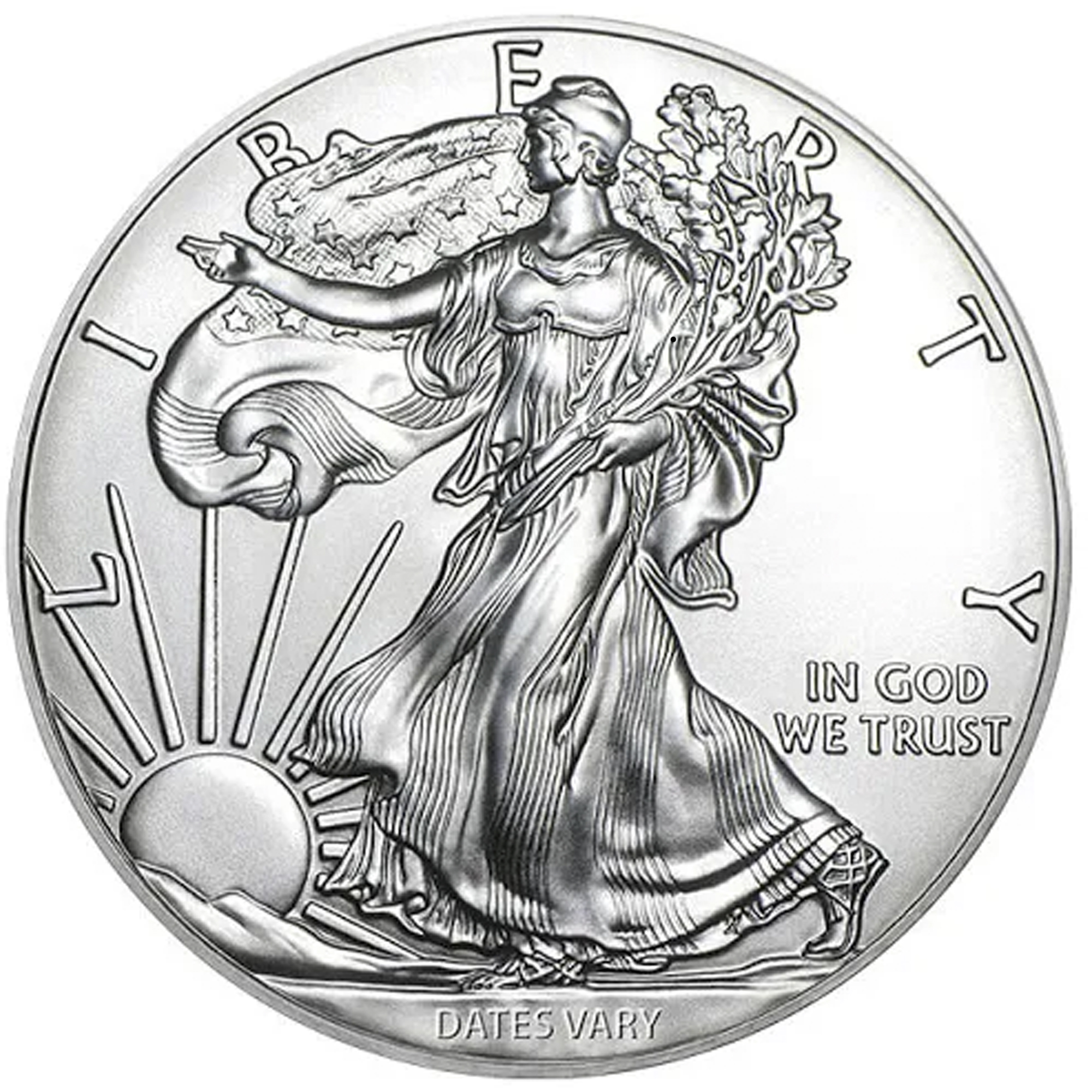
Not all precious metals meet IRS standards. The fineness (purity) thresholds are strict and non-negotiable. Gold bullion must reach at least 0.995 fineness (99.5% pure). Silver requires 0.999 fineness (99.9% pure). Platinum and palladium both need 0.9995 fineness. Certain government-minted coins bypass these thresholds by statute, including American Gold Eagles, American Silver Eagles, American Gold Buffalos, and American Platinum Eagles.
A common misconception is that all precious metals coins are IRA-eligible. They are not. South African Krugerrands, despite their gold content, fall short of the fineness requirement and are prohibited. Pre-1933 numismatic coins, collectible coins, and sterling silver jewelry are also excluded. Failure to meet purity standards results in the asset being treated as a taxable distribution, triggering immediate income tax and potential penalties.
How 2026 RMD Rules Changed for Gold IRA Holders
The RMD age for 2026 remains 73—a change from the previous age of 72 that took effect in 2023 under SECURE 2.0. For individuals who reach age 73 in 2026, the first RMD is due by April 1, 2027. Every subsequent RMD must be withdrawn by December 31 of each calendar year. The age will increase further to 75 for individuals who reach age 74 after December 31, 2032.
The most significant change for gold IRA owners, however, is the dramatic reduction in missed-RMD penalties. Before SECURE 2.0, missing an RMD triggered a 50% excise tax on the shortfall under IRC §4974. SECURE 2.0 §302 cut that to 25%, with a further reduction to 10% if the missed RMD is corrected within a specified correction window. This matters significantly for precious-metals holders because coordinating the metals release from an IRS-approved depository, the custodian’s accounting, and the cash-versus-in-kind distribution election takes substantially longer than equivalent paperwork on a brokerage IRA.
Cash Versus In-Kind RMD Distributions
Gold IRA holders have two options when taking an RMD. The first is a cash distribution, where the custodian liquidates enough gold at prevailing spot prices to cover the RMD amount and sends you cash. This is operationally simpler but forces you to realize gains on the metals sold. The custodian reports the amount on Form 1099-R.
The second option is an in-kind distribution, where you receive actual physical gold coins or bars with a fair market value equal to or greater than your calculated RMD. The fair market value of the metal on the distribution date is the amount included in your taxable income for the year. While this preserves your precious metals position, it requires careful coordination to ensure the distribution meets the RMD amount, especially if you hold multiple account types.
Contribution Limits and Allocation Strategy for 2026
The 2026 IRA contribution limit increased to $7,500 for individuals under age 50, plus a $1,100 catch-up contribution for those 50 and older—totaling $8,600 for older savers. This represents a meaningful increase from prior years and provides more flexibility for annual top-ups to your precious metals position.
However, contribution limits alone do not determine optimal allocation. The industry consensus, supported by portfolio theory, suggests a 5% to 20% allocation to physical gold, silver, platinum, or palladium inside a self-directed retirement wrapper is appropriate for most retirement investors. Below 5%, the diversification benefit is too small to influence portfolio outcomes. Above 20%, the position becomes overconcentrated in an asset class that does not pay dividends, generate yield, or correlate strongly with productive economic activity.
Gold vs. Silver IRA: Which Is Right for Your Portfolio?
The choice between gold and silver in your retirement account depends on your risk tolerance and diversification goals. Gold offers stability and historical inflation protection. Silver provides greater volatility and industrial-demand exposure. Many investors pursue a blended approach within their precious metals allocation—perhaps 70% gold and 30% silver, or allocating both metals across different account types.
Silver IRA benefits include lower entry cost per ounce, broader industrial applications that support demand, and potential for higher percentage gains in bull markets. Gold advantages include deeper liquidity, lower storage costs relative to value, and stronger historical correlation with crisis periods. The optimal gold-silver portfolio mix depends on your age, risk capacity, and overall retirement portfolio composition. Younger investors can often afford higher silver allocations; those closer to retirement may prefer gold’s stability.
Early Withdrawal Exceptions and Emergency Access
A distribution from a gold IRA before age 59½ generally incurs a 10% additional tax under IRC §72(t), on top of regular income tax. SECURE 2.0 expanded the list of exceptions materially. Current exceptions include:
- Death of the account owner
- Total and permanent disability
- Series of substantially equal periodic payments (SEPP)
- Medical expenses exceeding 7.5% of adjusted gross income
- Health insurance premiums during unemployment (IRA-only, after 12 weeks of unemployment compensation)
- Higher-education expenses (IRA-only)
- First-time home purchase up to $10,000 (IRA-only)
- IRS levy on the IRA
- Qualified birth or adoption distributions ($5,000)
- Qualified disaster distributions
- Emergency-personal-expense distribution ($1,000 per year, IRA-only, under SECURE 2.0 §115)
- Domestic-abuse-victim distribution (under SECURE 2.0 §314)
- Terminal-illness distributions
The new emergency-personal-expense exception is particularly relevant for younger savers. This allows up to $1,000 per year to be withdrawn penalty-free (though still subject to income tax) for unexpected hardships. This adds a layer of flexibility that did not exist before SECURE 2.0, though the amount remains modest relative to most emergency needs.
Compliance Essentials: Avoiding Costly Mistakes
The single most common compliance error in precious metals IRAs is the assumption that you can take personal possession of the metals. You cannot. The IRA owner must never take personal possession of the metals at any time. This applies to gold IRA coins and bars, silver IRA products, platinum, and palladium—all four metals must remain in institutional custody for the duration of the IRA’s holding period. Violating this rule results in the entire account being treated as distributed and taxed as ordinary income.
Second, ensure your custodian or trustee is IRS-approved. IRC §408(n) defines who can act as the IRA’s trustee. Not all custodians are created equal. A qualified trustee must be a bank, credit union, savings and loan association, or other entity specifically approved by the IRS to hold IRA assets. Verify your custodian’s status before opening an account.
Third, document the purity of your metals. When you purchase gold, silver, platinum, or palladium for your IRA, the refiner or dealer should provide assay certificates or purity documentation. Keep these records. In the event of an IRS inquiry, you need proof that your holdings meet the fineness standards.
Conclusion: Planning Your Precious Metals Retirement Strategy for 2026
The SECURE 2.0 changes to RMD rules, contribution limits, and early-withdrawal exceptions create a more flexible retirement landscape for precious metals investors. The 25% (reduced to 10% on correction) missed-RMD penalty is far less punitive than the old 50% rate, but it still rewards careful planning. The higher contribution limits allow for more aggressive annual top-ups. The expanded early-withdrawal exceptions provide emergency access that did not exist before.
If you hold or are considering a self-directed gold IRA, the time to review your strategy is now. Ensure your metals meet IRS fineness standards, verify your custodian is approved, and plan your RMD distributions well in advance to avoid operational delays. Consider your allocation mix carefully—whether gold, silver, or a blend—and ensure it aligns with your overall retirement portfolio and risk tolerance. Work with a qualified financial advisor or CPA familiar with precious metals IRAs to optimize your structure for tax efficiency and compliance. The rules are clear, but they require attention to detail.